100 projects in 7 years

A milestone for provenance research into cultural goods and collections from colonial contexts
„Colloquium Provenance Research“ on sensitive subjects related to Colonial Contexts in the GDR.
The German Lost Art Foundation invites you to a colloquium on provenance research with Helene Steinke on November 23, 2026, at 7:00 p.m. at the Foundation's branch office and online.
New research guide published
"Provenance Research on Natural History Collections: From Colonial Australia" avail­able free of charge at perspectivia.net
Online now: Event documentation of the conference 2026
The documentation of the conference 2026 in Magdeburg, titled "The Future of Digital Provenance Research – Dreams and Realities", is now available.
A Plan to Strengthen Provenance Research by the Federal Government, the States, and Local Governments
The German Lost Art Foundation expresses its gratitude for this important political statement.

Historical Contexts

The German Lost Art Foundation deals with cultural property that was once looted from its owners – during the Nazi era, the colonial period or in the Soviet Occupation Zone and the GDR – as well as with items of cultural property that went missing in the course of the Second World War. The Foundation funds provenance research in order to clarify whether or not objects were seized unlawfully. Here we provide information on historical background and funding opportunities, as well as material for research purposes.
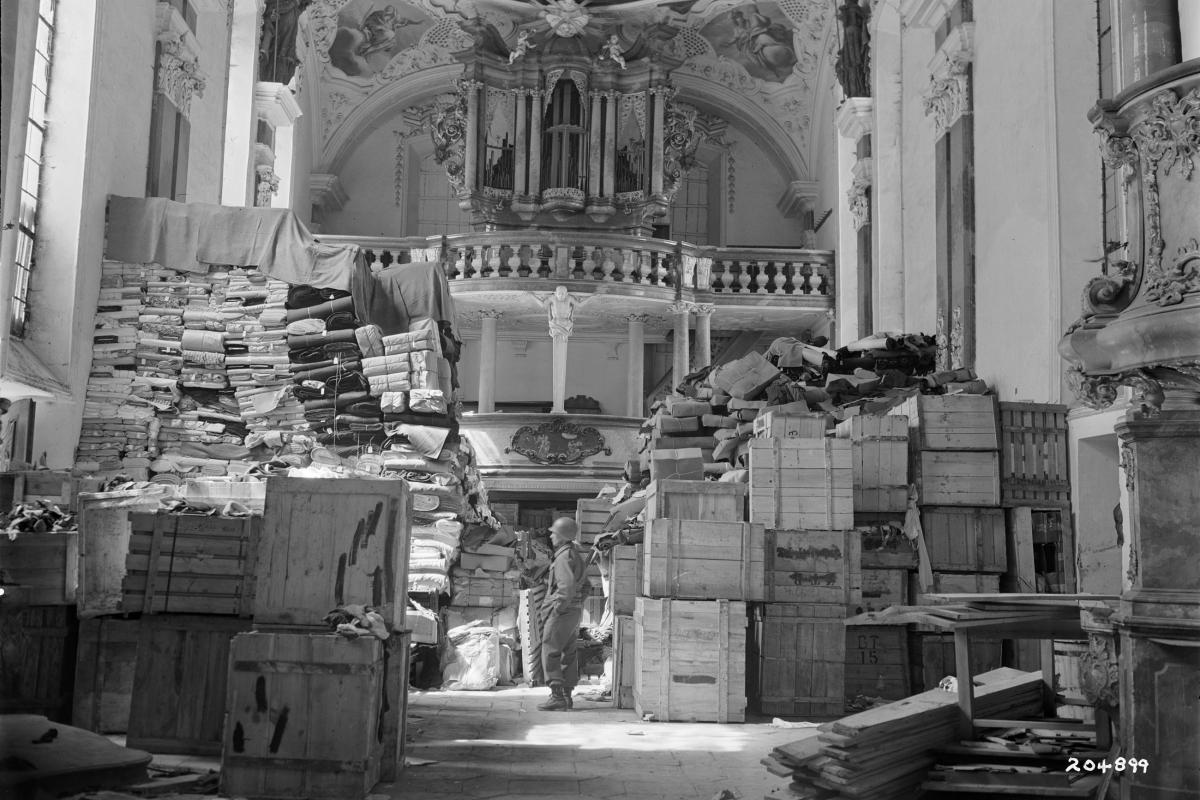
Schlosskirche Ellingen, Ellingen, April 1945
Nazi-looted Cultural Property
The National Socialist state enriched itself extensively and ruthlessly by expropriating the property of Jewish citizens in particular. Here you will find background information on Nazi art looting along with details of project funding and how to report restitutions.
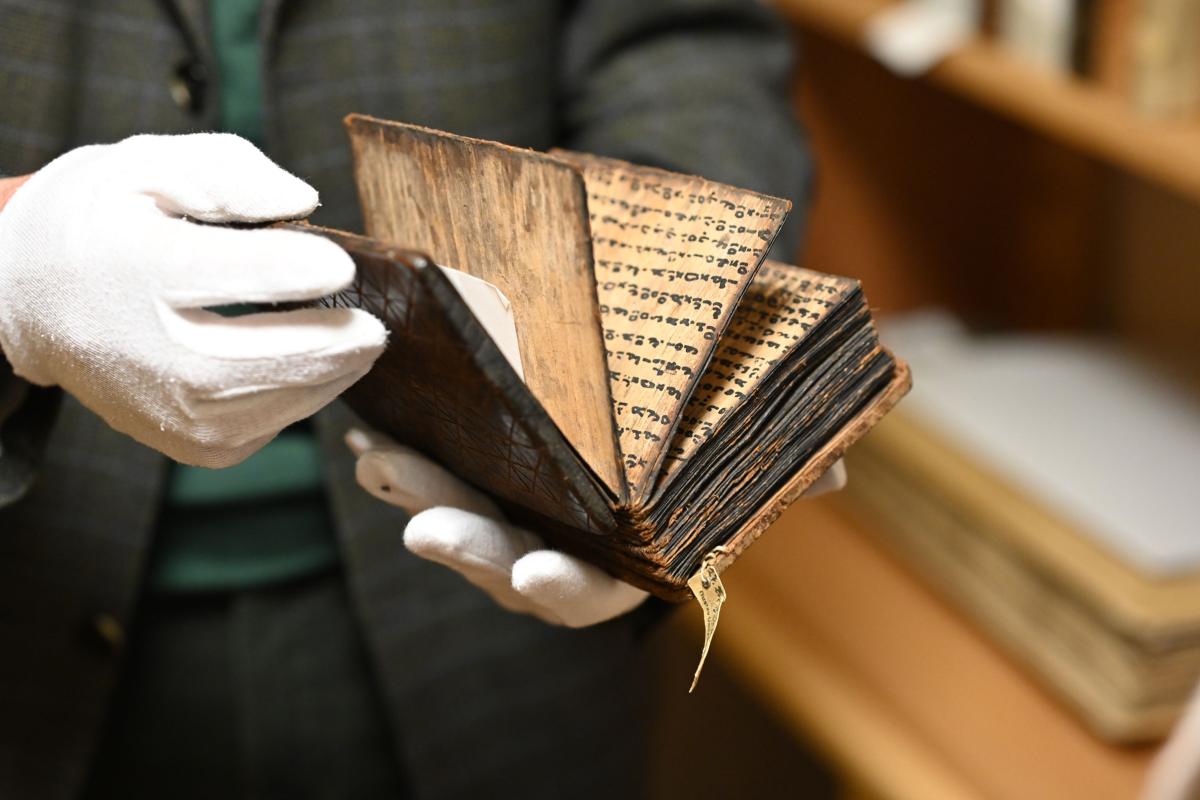
Pustaha, a "Spell Book" from the island of Sumatra, which is now in the Greiz Collection of Books and Engravings.
Colonial Contexts
Not only cultural goods were looted during the colonial period but in many thousands of instances also human remains. We offer information about seizure in colonial contexts, explain funding opportunities and provide materials.
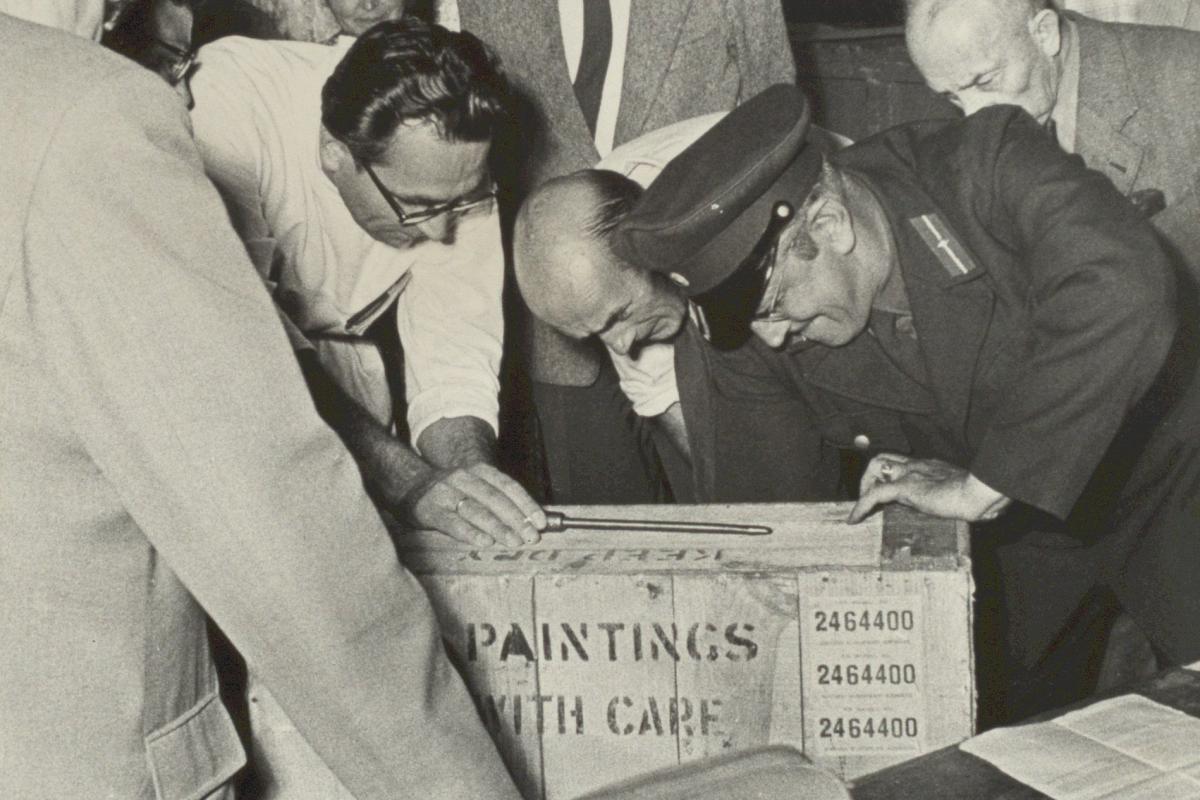
Paintings are taken out of a box while many people watch
Wartime Losses
During the Second World War and shortly afterwards, millions of items of cultural property were transferred to or from Germany. See here for more on the history of wartime losses along with the relevant materials.
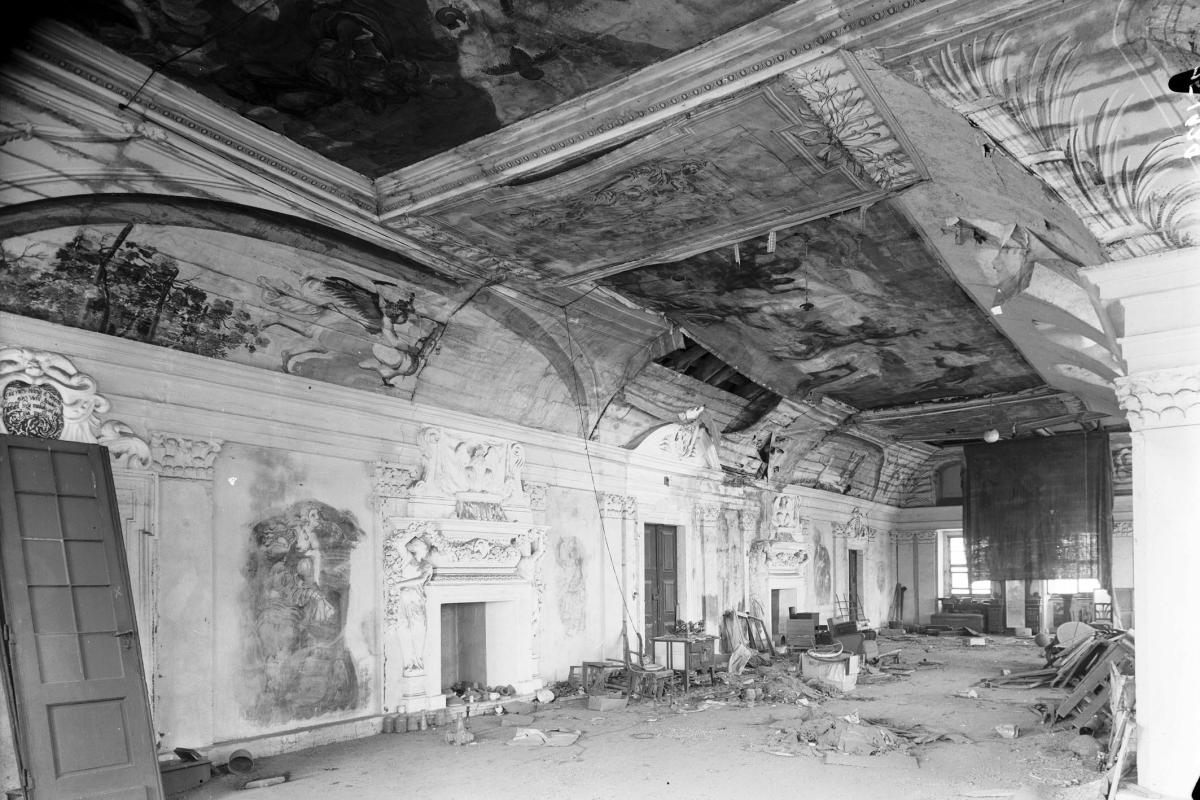
Saal Schloss Rötha
Soviet Occupation Zone / GDR
In the Soviet Occupation Zone and the GDR, cultural assets were looted, seized and also sold by the state. Here we introduce research into the expropriation of cultural property between 1945 and 1990.

Project Statistics

Project statistics and a project finder provide an overview of all projects that the German Lost Art Foundation and its predecessor institution have funded in the past or are still funding. Using a map format and filters, it is possible to search for and display projects according to specific historical contexts or federal states, for example.
Thuringia Schleswig-Holstein Saxony-Anhalt Saxony Saarland Rhineland-Palatinate North Rhine-Westphalia Mecklenburg-Western Pomerania Lower Saxony Hesse Hamburg Bremen Brandenburg Berlin Bavaria Baden-Württemberg All 648 Projects
Germany
648 Projects

100% of all German projects

All projects

short-term projects

long-term projects

of which Nazi-looted cultural property

short-term projects

long-term projects

Colonial contexts

short-term projects

long-term projects

Soviet Occupation Zone and GDR

short-term projects

long-term projects

of which Wartime Losses

short-term projects

long-term projects

Active Projects Completed Not yet begun
Total Number 101 540 4
Archive 1 8 0
Library 9 22 0
Institute 5 26 0
Cooperations between public and private institutions 0 2 0
Cooperations between individuals and public institutions 4 19 1
Museum 50 287 2
Privately owned institutions 2 16 0
Private person 2 16 1
University 17 57 0
Public administration 11 87 0
To the projects

Registration is required to view the final reports on Proveana.

Proveana Logo english optimized
Proveana is the German Lost Art Foundation’s database for provenance research. It is mainly dedicated to presenting the outcomes of research projects funded by the Foundation to the public at large.
Lost Art English Logotype optimized
The Lost Art Database lists cultural property that was seized from Jewish citizens between 1933 and 1945 (“Nazi-looted cultural property”). It also contains reports on cultural goods displaced as a result of the Second World War.

News & Events

World map in Equal Earth projection titled “Globally Connected: 100 Projects, Partners from 46 Countries, and Over 150 Participating Institutions.” Below that is the subtitle “Map of the countries where our project partners are based.” The map shows all continents in light gray; 46 partner countries in Africa, Europe, Asia, Oceania, and North and South America are highlighted in teal. In the lower left corner is the logo of the German Center for Lost Cultural Property.
A milestone for provenance research into cultural goods and collections from colonial contexts
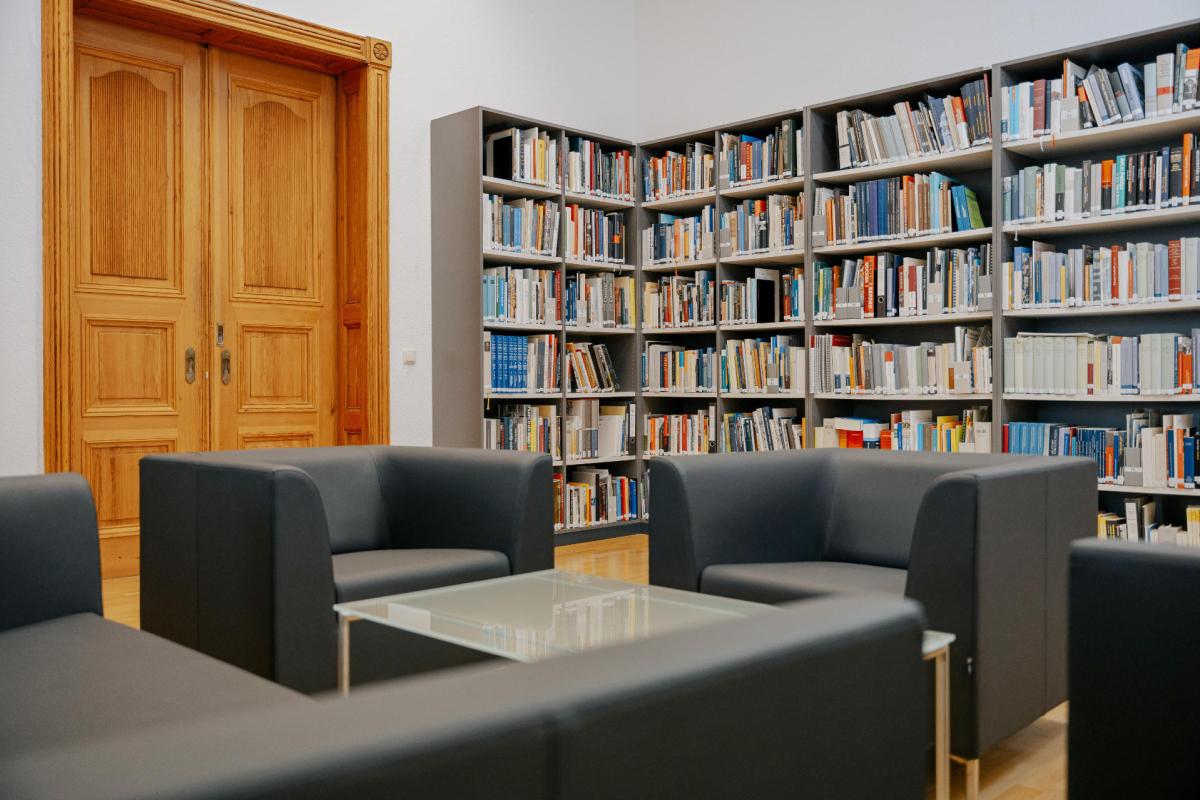
Library of German Lost Art Foundation
The German Lost Art Foundation is pleased to invite you to the talk on October 26, 2026, at 6 p.m., in English langugage with Alice Cazzola, Katharina Hüls-Valenti and Madeleine Schneider.
Image detail from the front cover of the guide
The publication "Tracing Loot from the Boxer War in China" will be presented online and in Berlin.

Blog Posts

Several people are looking at a register on a table, with smartphones next to it. They are wearing white gloves for protection.
How it is possible to get school pupils to engage with the fact that many school collections contain human remains? And that some of these may originate from colonial contexts? A set of guidelines developed in Hamburg seeks to provide some answers.
Three people are sitting in front of a presentation being projected onto a screen.
The new guide Koloniale Kontexte in Bibliotheken [Colonial contexts in libraries] provides much-needed guidance. It was presented at the University Library of Humboldt-Universität zu Berlin.
Graphic of Data Platform of ORA
Open Restitution Africa (ORA) describes restitution as a pan-African process of remembrance, research, and the digital sharing of knowledge – an interview.

Publications

Book cover
"Provenire" series: Volume 5 – "Die venezianischen Fälle"
"The Venetian cases" provide bridges between art, history, law and ethics. They are accompanied by aspects and models of solutions, as well as a sample restitution agreement. (in German language)
Buchcover
The Periodical “Provenienz & Forschung” (2024)
This issue of the Periodical „Provenienz & Forschung" deals with the topic „1945". (in German)
Cover Working Paper 9-2025
Working Paper 9/2025
With issue 9/2025 of the Working Paper series, Jan Hüsgen presents „Missionary Societies and Religious Orders in German Colonies and Their Contribution to Ethnographic Collections“.