"The Future of Digital Provenance Research – Dreams and Realities"

The annual conference of the German Lost Art Foundation focuses on current methods, technologies and practical applications of digitally supported provenance research.
Bauhaus Manifesto 2026
The German Lost Art Foundation signs an alliance bringing together the worlds of culture, design, crafts, architecture and the churches
We are a partner within the network "Kultur ist Vielfalt und Heimat"
Together with numerous cultural figures in Saxony-Anhalt, we at the DZK are taking a stand for diversity, respect and the protection of democratic values.
Apply for projects now!
The next deadline for applications for long-term funding in the areas of ‘Nazi-looted Cultural Property’ and ‘Colonial Contexts’ is 1 October 2026.
New blog posts
You can find interesting new posts on provenance research on our blog.

Historical Contexts

The German Lost Art Foundation deals with cultural property that was once looted from its owners – during the Nazi era, the colonial period or in the Soviet Occupation Zone and the GDR – as well as with items of cultural property that went missing in the course of the Second World War. The Foundation funds provenance research in order to clarify whether or not objects were seized unlawfully. Here we provide information on historical background and funding opportunities, as well as material for research purposes.
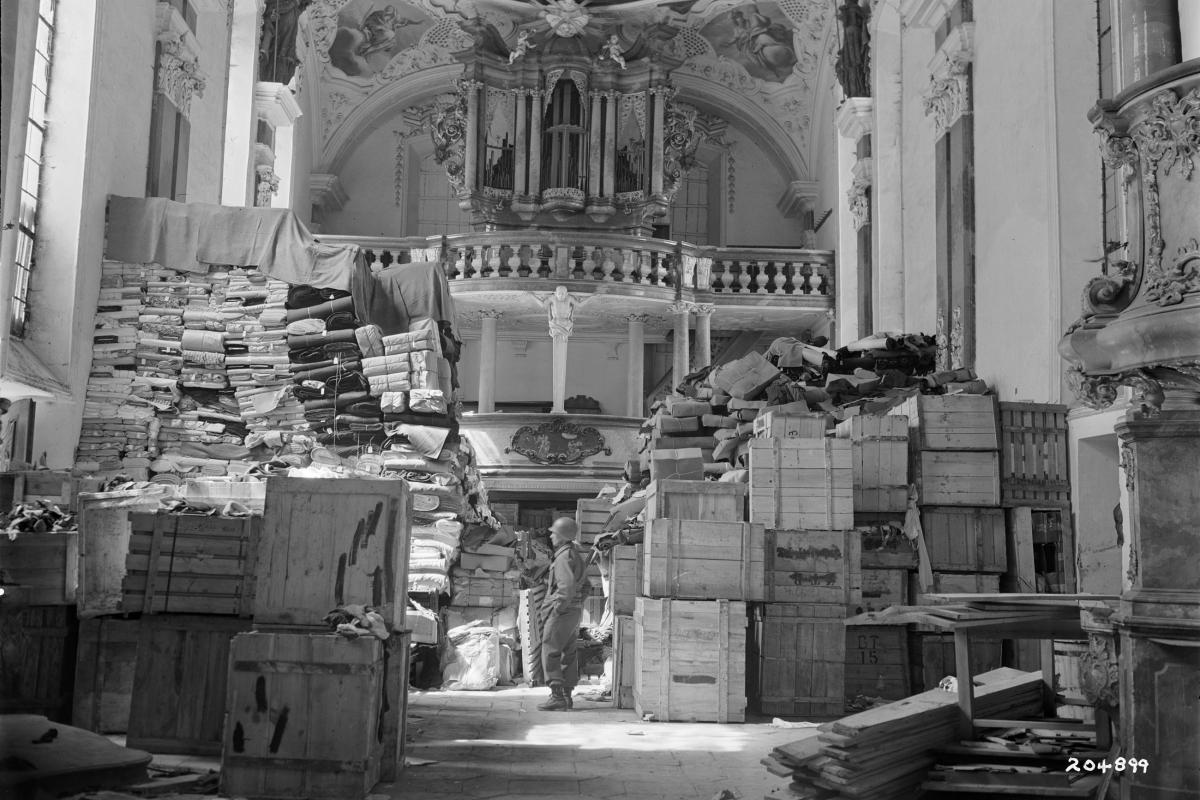
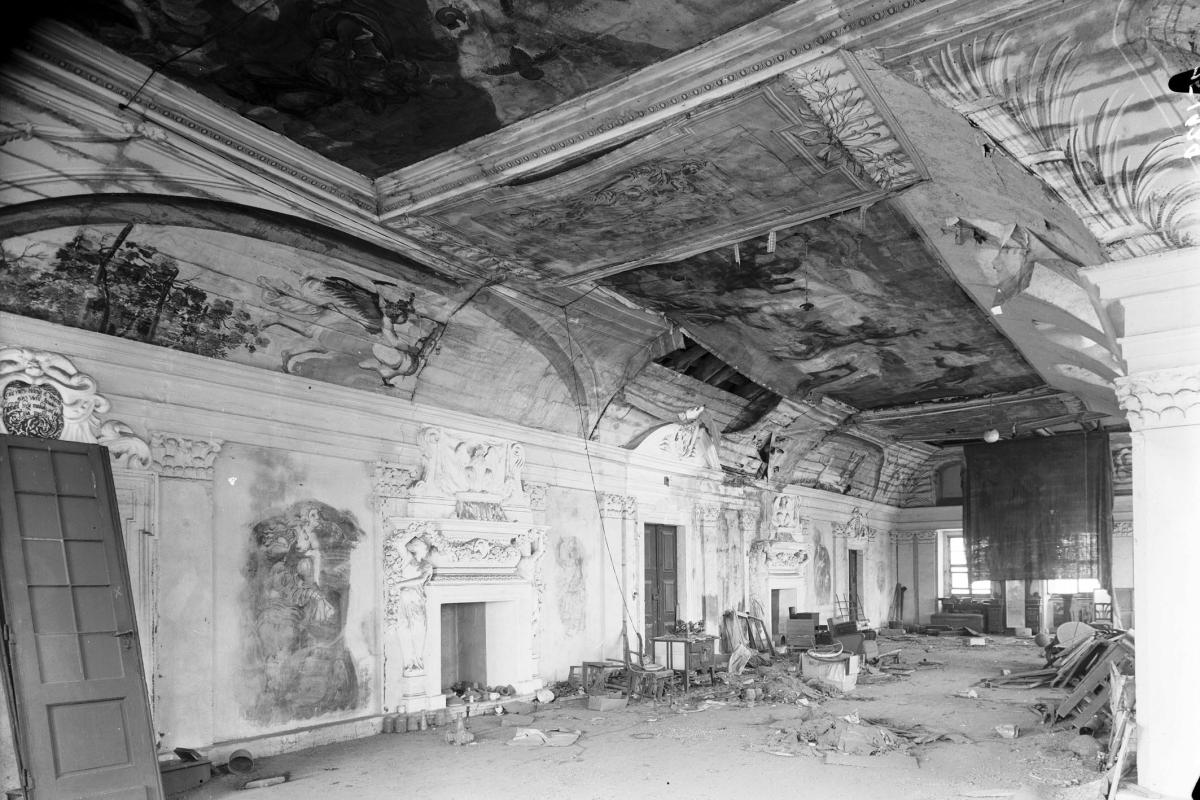
Schlosskirche Ellingen, Ellingen, April 1945
Nazi-looted Cultural Property
The National Socialist state enriched itself extensively and ruthlessly by expropriating the property of Jewish citizens in particular. Here you will find background information on Nazi art looting along with details of project funding and how to report restitutions.
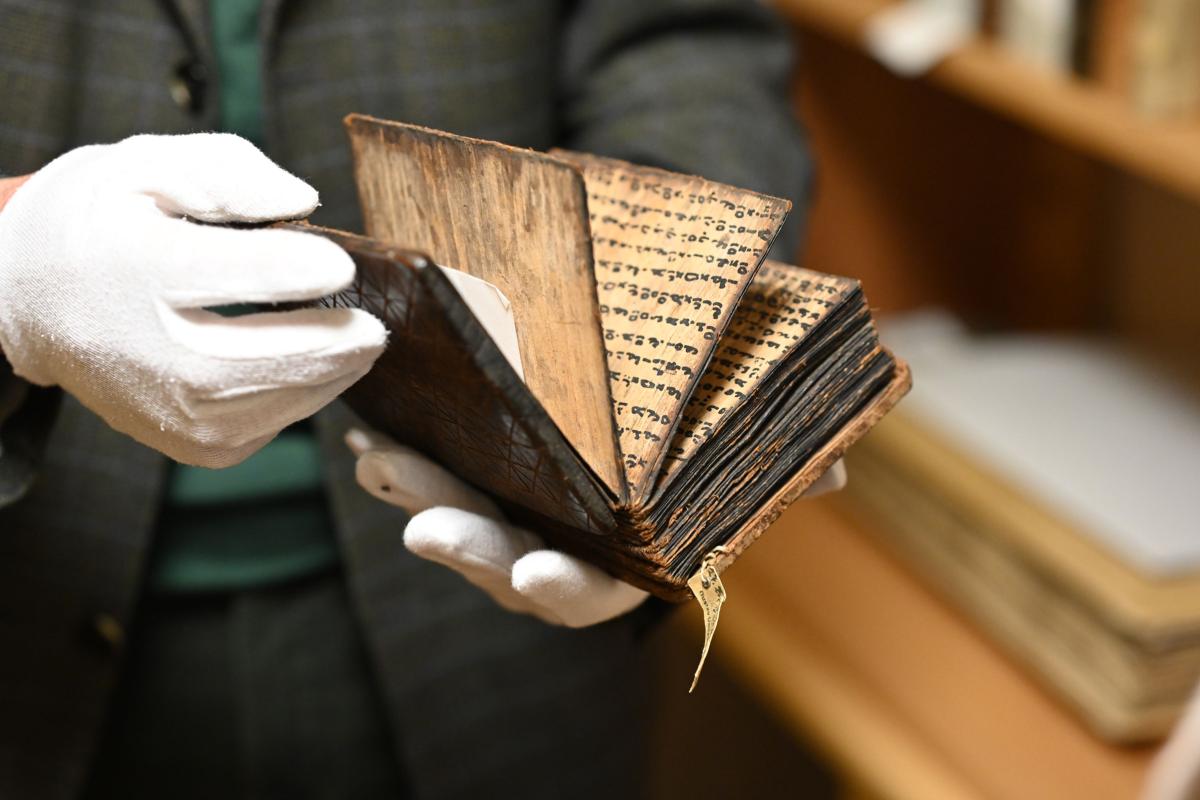
Pustaha, a "Spell Book" from the island of Sumatra, which is now in the Greiz Collection of Books and Engravings.
Colonial Contexts
Not only cultural goods were looted during the colonial period but in many thousands of instances also human remains. We offer information about seizure in colonial contexts, explain funding opportunities and provide materials.
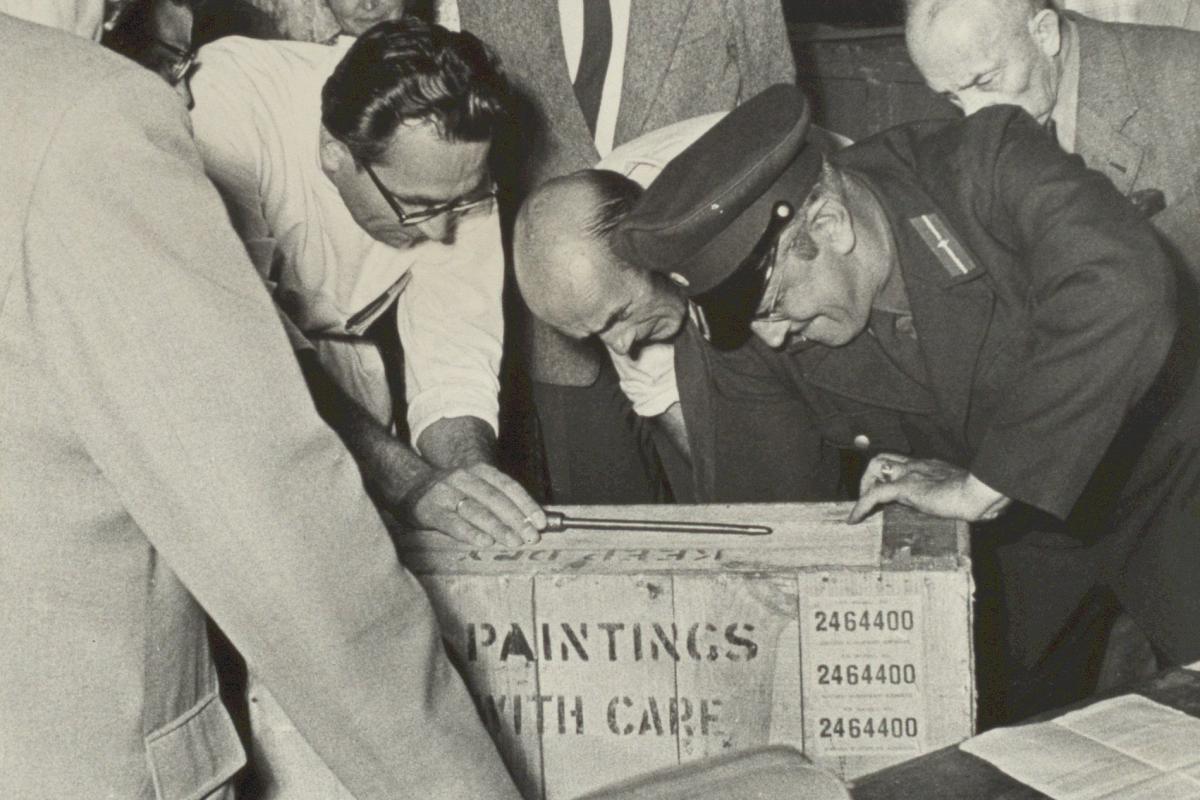
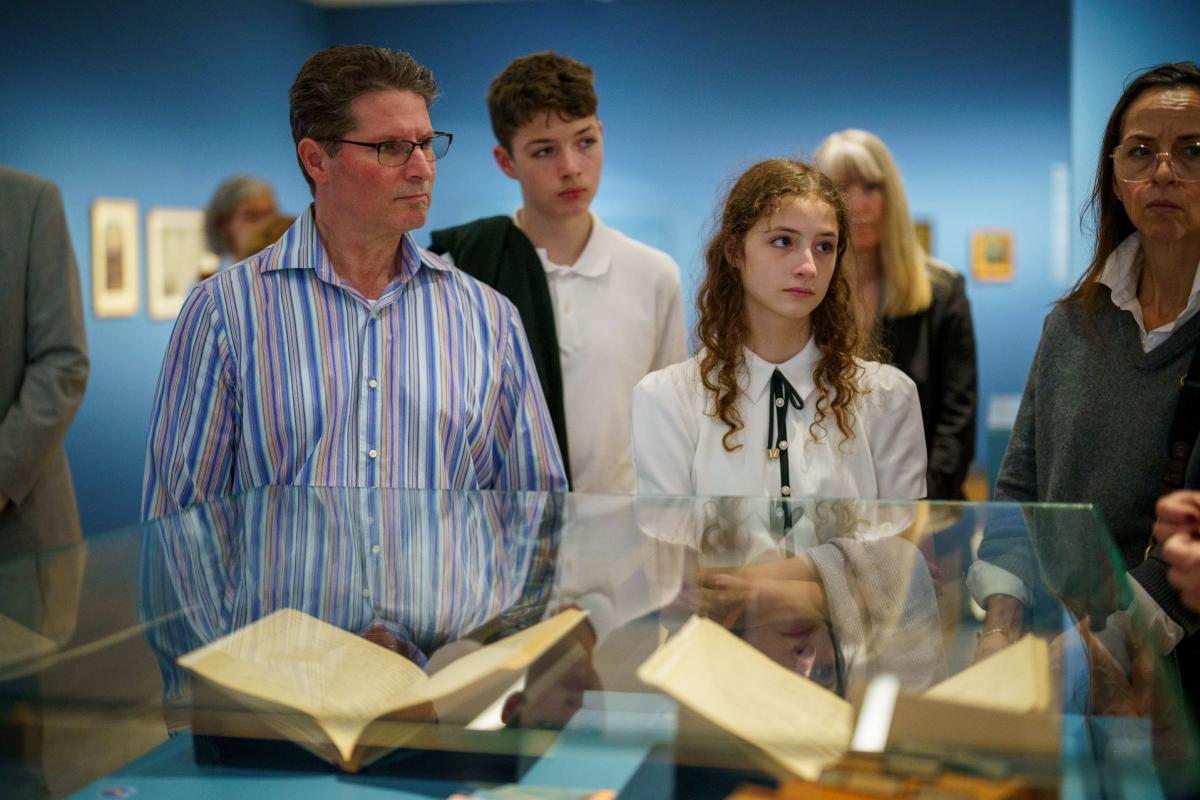
Paintings are taken out of a box while many people watch
Wartime Losses
During the Second World War and shortly afterwards, millions of items of cultural property were transferred to or from Germany. See here for more on the history of wartime losses along with the relevant materials.
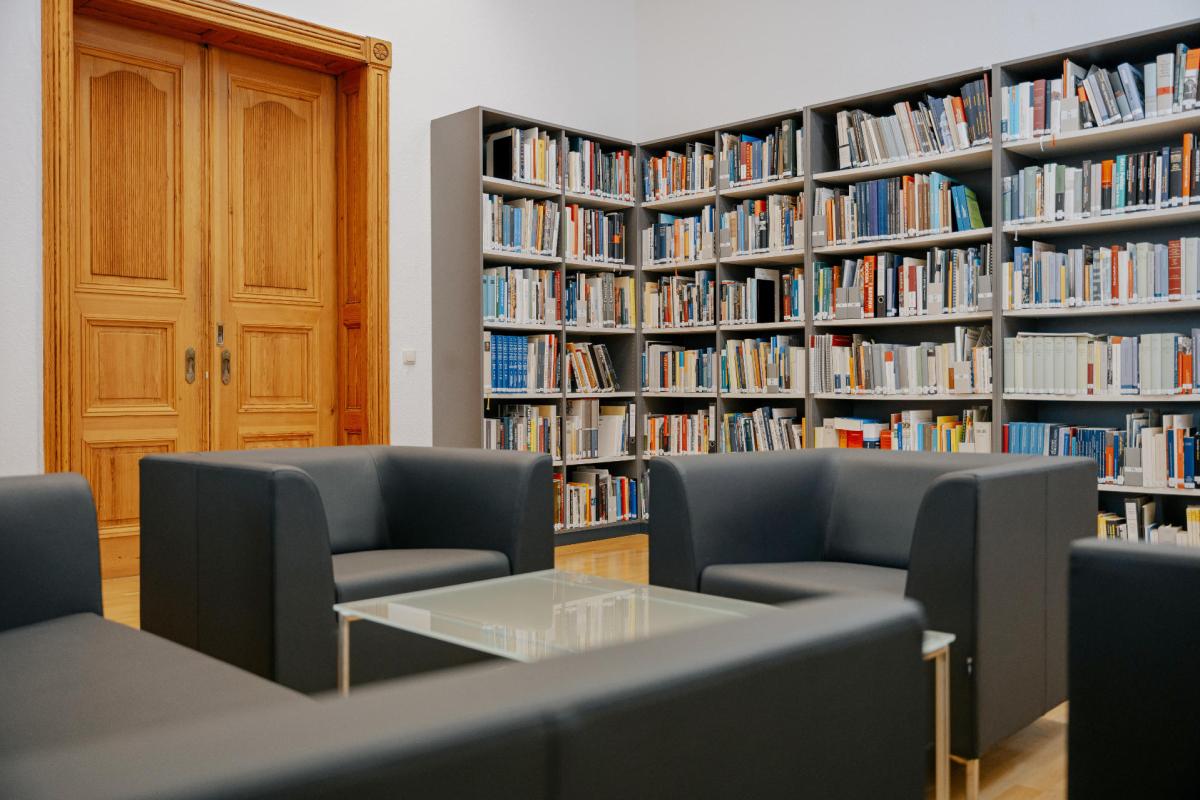
Saal Schloss Rötha
Soviet Occupation Zone / GDR
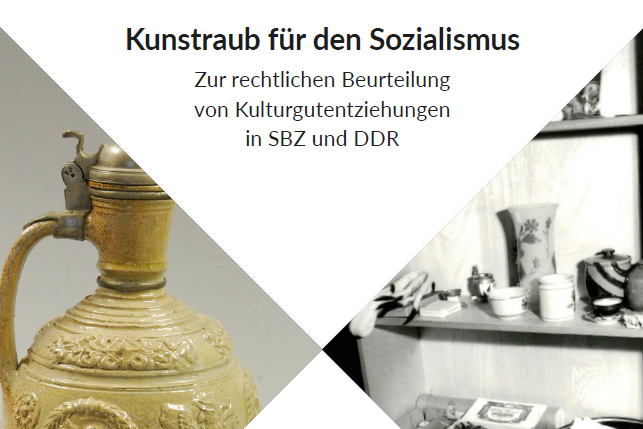
In the Soviet Occupation Zone and the GDR, cultural assets were looted, seized and also sold by the state. Here we introduce research into the expropriation of cultural property between 1945 and 1990.

Project Statistics

Project statistics and a project finder provide an overview of all projects that the German Lost Art Foundation and its predecessor institution have funded in the past or are still funding. Using a map format and filters, it is possible to search for and display projects according to specific historical contexts or federal states, for example.
Thuringia Schleswig-Holstein Saxony-Anhalt Saxony Saarland Rhineland-Palatinate North Rhine-Westphalia Mecklenburg-Western Pomerania Lower Saxony Hesse Hamburg Bremen Brandenburg Berlin Bavaria Baden-Württemberg All 638 Projects
Germany
638 Projects

100% of all German projects

All projects

short-term projects

long-term projects

of which Nazi-looted cultural property

short-term projects

long-term projects

Colonial contexts

short-term projects

long-term projects

Soviet Occupation Zone and GDR

short-term projects

long-term projects

of which Wartime Losses

short-term projects

long-term projects

Active Projects Completed Not yet begun
Total Number 96 530 9
Archive 1 8 0
Library 10 21 0
Institute 3 26 0
Cooperations between public and private institutions 0 2 0
Cooperations between individuals and public institutions 4 18 1
Museum 46 283 6
Privately owned institutions 1 16 0
Private person 7 12 1
University 15 57 0
Public administration 9 87 1
To the projects

Registration is required to view the final reports on Proveana.

Proveana Logo english optimized
Proveana is the German Lost Art Foundation’s database for provenance research. It is mainly dedicated to presenting the outcomes of research projects funded by the Foundation to the public at large.
Lost Art English Logotype optimized
The Lost Art Database lists cultural property that was seized from Jewish citizens between 1933 and 1945 (“Nazi-looted cultural property”). It also contains reports on cultural goods displaced as a result of the Second World War.

News & Events

Image detail from the front cover of the guide
The publication "Tracing Loot from the Boxer War in China" will be presented online and in Berlin.
ethnografische Objekte mit Schildern
Die FU Berlin bietet erneut das Weiterbildungsprogramm „Provenienzforschung - Über die Herkunft der Objekte“ an.
returned books, some of which have been opened
41 books returned to B’nai B’rith and Odd Fellows.

Blog Posts

Several people are looking at a register on a table, with smartphones next to it. They are wearing white gloves for protection.
How it is possible to get school pupils to engage with the fact that many school collections contain human remains? And that some of these may originate from colonial contexts? A set of guidelines developed in Hamburg seeks to provide some answers.
Three people are sitting in front of a presentation being projected onto a screen.
The new guide Koloniale Kontexte in Bibliotheken [Colonial contexts in libraries] provides much-needed guidance. It was presented at the University Library of Humboldt-Universität zu Berlin.
Graphic of Data Platform of ORA
Open Restitution Africa (ORA) describes restitution as a pan-African process of remembrance, research, and the digital sharing of knowledge – an interview.

Publications

Book cover
"Provenire" series: Volume 5 – "Die venezianischen Fälle"
"The Venetian cases" provide bridges between art, history, law and ethics. They are accompanied by aspects and models of solutions, as well as a sample restitution agreement. (in German language)
Buchcover
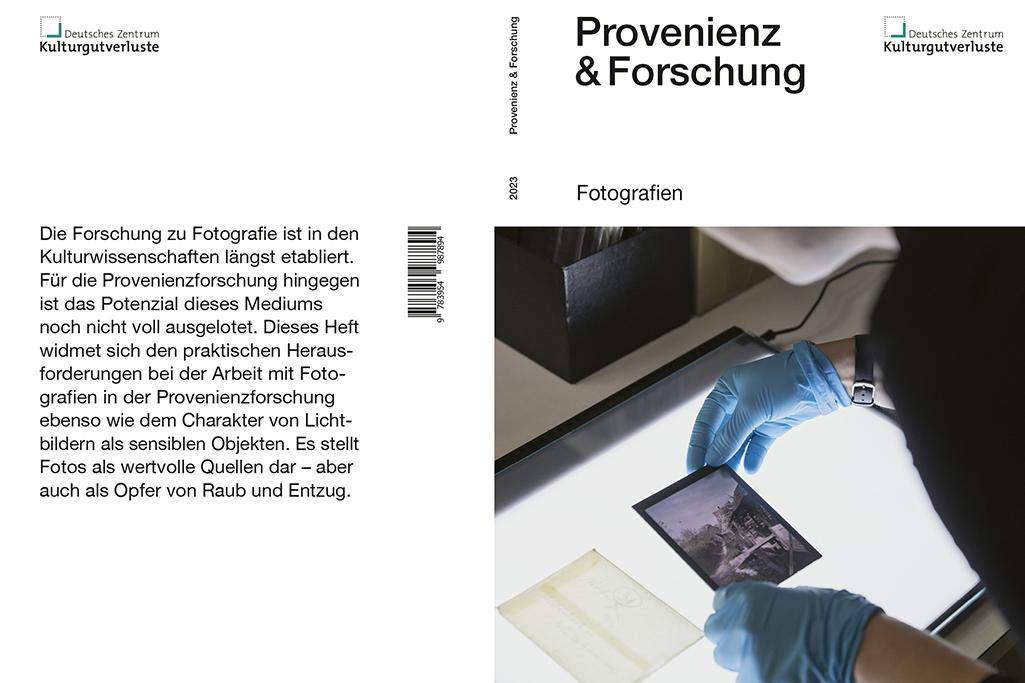
The Periodical “Provenienz & Forschung” (2024)
This issue of the Periodical „Provenienz & Forschung" deals with the topic „1945". (in German)
Cover Working Paper 9-2025
Working Paper 9/2025
With issue 9/2025 of the Working Paper series, Jan Hüsgen presents „Missionary Societies and Religious Orders in German Colonies and Their Contribution to Ethnographic Collections“.